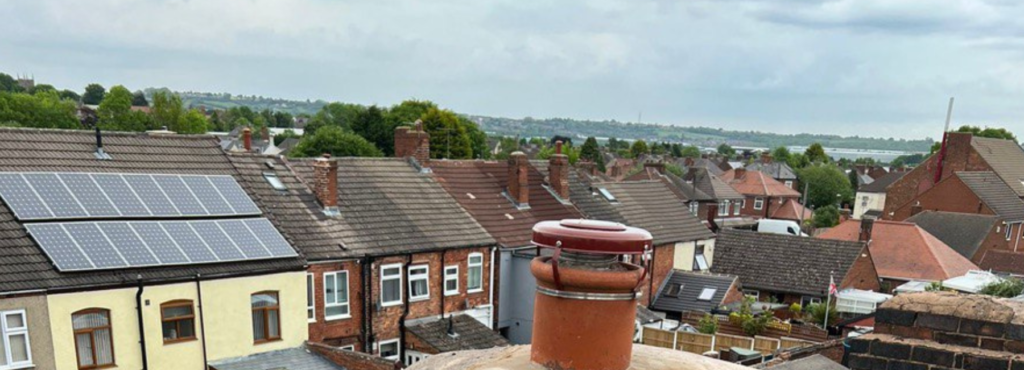
Felt roofing remains a widely used solution for flat and low-pitched roofs due to its proven performance and adaptability. However, over time, some felt roofs begin to show visible issues such as bubbling, splitting, or lifting. These changes are not purely cosmetic; they are often early indicators of underlying problems that require attention. For property owners in New Milton, Hampshire, understanding why these issues occur can help prevent more serious roof damage.
Trapped Moisture Beneath the Felt
One of the most common causes of bubbling in felt roofs is trapped moisture. If moisture becomes sealed beneath the felt during installation or enters later through small defects, it can expand when temperatures rise.
As the moisture warms, it creates pressure beneath the felt layer, causing bubbles or blisters to form on the surface. Over time, this weakens the integrity of the roof covering.
Poor Ventilation of the Roof Structure
Flat roofs rely on balanced airflow to prevent condensation build-up. Inadequate ventilation can allow moisture vapour to collect beneath the felt, particularly in colder months.
This trapped vapour can gradually compromise adhesion, leading to lifting or bubbling as the felt loses its secure bond with the roof deck.
Age-Related Wear and Material Fatigue
All roofing materials have a natural lifespan, and felt is no exception. Continuous exposure to sunlight, temperature changes, and weather conditions causes the material to expand and contract.
Over time, this movement can lead to fatigue in the felt, resulting in splits or cracks that allow water to penetrate and worsen deterioration.
Inadequate Adhesion During Installation
Correct installation is essential for felt roofing to perform as intended. If the felt was not bonded evenly or securely during fitting, weak points may exist from the outset.
These areas are more vulnerable to lifting, especially when exposed to wind uplift or repeated temperature fluctuations.
Structural Movement of the Roof Deck
Buildings naturally move slightly over time due to settlement and seasonal changes. If the roof deck shifts or flexes, the felt covering must accommodate that movement.
Where movement exceeds what the felt can tolerate, stress points develop, leading to splitting or detachment from the surface beneath.
Prolonged Exposure to Standing Water
Standing water places additional strain on flat roofs. If drainage is limited, water may sit on the surface for extended periods, accelerating wear and increasing the risk of moisture penetration.
Over time, this can weaken the felt layers and contribute to lifting or surface breakdown.
Why Early Attention Matters
Minor bubbling or lifting may seem insignificant at first, but these issues rarely resolve on their own. Left untreated, they often allow water ingress that affects insulation, roof decking, and internal spaces.
Early intervention helps limit the extent of repairs and protects the roof’s overall performance.
The Importance of Professional Assessment
Determining the exact cause of felt roof failure requires experience and careful inspection. A professional assessment ensures the underlying issue is identified and addressed correctly rather than simply treating surface symptoms.
Conclusion
Felt roofs bubble, split, or lift due to factors such as trapped moisture, ventilation issues, ageing materials, installation weaknesses, and structural movement. Recognising these signs early helps prevent more extensive roof damage and prolongs the roof’s lifespan.
If you are noticing changes to your felt roof in New Milton, Hampshire, MCM Roofing Repairs New Milton can provide professional inspections and effective repair solutions. Timely attention ensures your roof continues to protect your property reliably for years to come.
Call us on: 01425 208 596
Click here to find out more about MCM Roofing Repairs New Milton
Click here to complete our contact form and see how we can help with your roofing needs.